
"cupping terminology"
200 article(s) found

How to judge the roasting degree of coffee and compare the taste roasting characteristics of Italian coffee and American coffee beans
Professional coffee knowledge exchange more coffee bean information please follow the coffee workshop (Wechat official account cafe_style) Coffee roasting skills Daquan | the purpose of coffee roasting and the characteristics of coffee beans mainly affect the taste and flavor of coffee there are two major factors: first, raw bean characteristics second, coffee bean roasting degree bean roasting
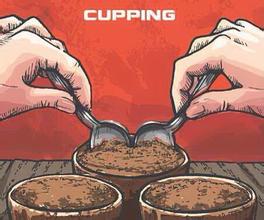
Analysis of coffee cup testing knowledge points: introduction of common terms in Chinese and English for coffee cup testing
When testing a cup of coffee, we should distinguish whether the flavor, alcohol thickness, acidity and wet aroma of the coffee are pleasant. Most cup tasters use the following criteria to judge coffee. While tasting the coffee, you should try to discern whether the flavor, body, acidity and aroma of the coffee is pleasant, or unplea
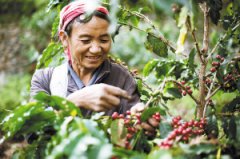
Yunnan Coffee and Chinese Coffee Market
Coffee trees need high altitude, tropical climate and fertile soil to grow the best coffee beans. Such climatic conditions on earth surround the equator, about between 25 degrees north latitude and 30 degrees south latitude. This zone, commonly known as the golden coffee belt, belongs to tropical and subtropical regions and is technically called coffee belt. When it comes to coffee in the world, let's talk about Chinese coffee first.
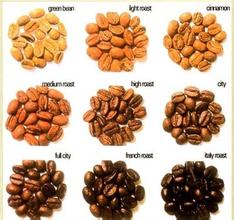
Glossary of terms for coffee roasting and roasting-explanation and analysis of professional terms of coffee bean roaster
Roasting is a new advanced field for coffee practitioners, belonging to a new professional form. A mature roaster is not only good at baking boutique coffee to restore the most memorable taste and flavor, but also to have a comprehensive and in-depth understanding of roasting and related! Terms for roasting and roasting of coffee produced by a coffee roaster produced by a burner with a high heat energy

What is a cup test? Why the cup test? Cup test technical term?
Professional coffee knowledge exchange more coffee bean information please follow the coffee workshop (Wechat official account cafe_style) what is a cup test? Why the cup test? Cup test technical term? For people in the industry, cup testing is undoubtedly a science, which requires long-term training to master it, but in fact, even lovers who have just come into contact with coffee can understand coffee better through cup testing.

The expression of alcohol and strength in the analysis of coffee components
For coffee, the touch of the mouth and palate comes from fatty oil, a liquid ingredient insoluble in water, and a sediment suspended in coffee water after brewing. In addition to providing texture for the overall taste of coffee, suspended matter in coffee also affects the taste of coffee by forming colloids. 1.Fatty oil raw coffee beans contain 7% Mui 17% fat.

Coffee culture coffee shops commonly used tasting terms
The term Complexity commonly used in coffee shops refers to the different levels of characteristics that coexist in the same cup of coffee, with high complexity, indicating that there are many kinds of sensory stimuli that can be sensed. It is important to note that these feelings include the aftertaste and are not necessarily limited to the present feeling when drinking. Texture, taste (Body, Mouthfeel) refers to the thick, sticky touch of coffee in the mouth.

What is deep-roasted coffee beans? Flavor characteristics of deep-roasted coffee _ how much is a pack of deep-roasted coffee beans
Professional coffee knowledge exchange more coffee bean information Please follow the coffee workshop (Wechat official account cafe_style) the third wave of coffee has developed, and people are increasingly paying attention to the so-called original flavor of black coffee. Starting from the single bean of the manor and the high-quality beans with few yields, we are very particular about the producing areas, the flavor characteristics, and even the techniques and utensils of cooking, as well as the differences in the degree of baking.
Boutique Coffee Technical terms in Coffee Shop
The term Complexity commonly used in coffee shops refers to the different levels of characteristics that co-exist in the same cup of coffee, with high complexity, indicating that there are many kinds of sensory stimuli that can be sensed; it is important to note that these feelings include the aftertaste and are not necessarily limited to the immediate feelings of drinking. Texture, taste (Body, Mouthfeel) refers to the thick, sticky touch of coffee in the mouth.
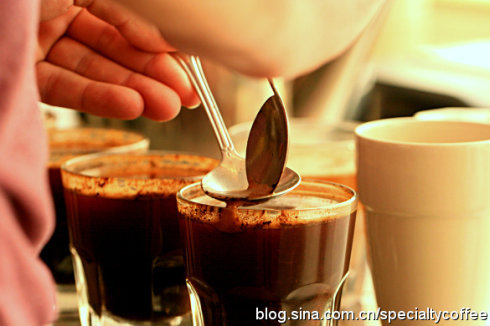
Identification of the quality of coffee beans: a detailed introduction of coffee cup testing terms
When testing a cup of coffee, we should distinguish whether the flavor, alcohol thickness, acidity and wet aroma of the coffee are pleasant. Most cup tasters use the following criteria to judge coffee. While tasting the coffee, you should try to discern whether the flavor, body, acidity and aroma of the coffee is pleasant, or unplea

McDonald's coffee scald case actually compensated for more than 400,000 US dollars-third-degree scald "area accounts for the whole body skin"
At that time, the old lady sat in the passenger seat in the front seat, parked the cup between her knees, held a bag of milk powder and sugar in her left hand, and tried to open the lid in her right hand. Unexpectedly, an unexpected mistake, a whole cup of scalding coffee was spilled between her legs, resulting in serious burns on the inner thigh, groin, vulva and front buttocks, including third-degree burns accounting for 6% of the whole body's skin. In medical terminology

Technical terms in coffee shops Coffee tasting terms
Complexity refers to the different levels of characteristics that coexist in the same cup of coffee, with high complexity, indicating that there are many kinds of sensory stimuli that can be sensed. It should be noted that these feelings include the afterrhyme and are not necessarily limited to the present feeling when drinking. Texture, taste (Body, Mouthfeel) refers to the thick, slippery touch of coffee in the mouth, which is about equal to the suspended amount of gum in the coffee.

The Historical Origin of espresso espresso how to make espresso and American Coffee
Professional Coffee knowledge Exchange more information on coffee beans Please follow the standard practice of espresso in the coffee workshop (Wechat official account cafe_style) what is authentic espresso (Espresso) is a beverage made by forcing near-boiling high-pressure water through coffee ground into fine powder. Espresso is generally made by more than other methods.

What is the difference between steamed coffee and extracted coffee? will the roasting degree of coffee affect the effect of steaming?
Bloom has the meaning of blooming flowers, but in the technical terms of coffee, it is familiar with "steaming"-the so-called steaming is that before brewing coffee, first soak the coffee powder with a little hot water and force out the gas (carbon dioxide) in the coffee powder by the stimulation of hot water to achieve the effect of steaming. Roasted coffee beans will produce fine holes in the surface and release them in small amounts.

Technical terms commonly used in coffee shops for tasting coffee
Complexity refers to the different levels of characteristics that coexist in the same cup of coffee, with high complexity, indicating that there are many kinds of sensory stimuli that can be sensed. It should be noted that these feelings include the afterrhyme and are not necessarily limited to the present feeling when drinking. Texture, taste (Body, Mouthfeel) refers to the thick, slippery touch of coffee in the mouth, which is about equal to the suspended amount of gum in the coffee.

Professional terms in coffee shops basic knowledge of fine coffee culture
The term Complexity commonly used in coffee shops refers to the different levels of characteristics that coexist in the same cup of coffee, with high complexity, indicating that there are many kinds of sensory stimuli that can be sensed. It is important to note that these feelings include the aftertaste and are not necessarily limited to the present feeling when drinking. Texture, taste (Body, Mouthfeel) refers to the thick, sticky touch of coffee in the mouth.
Practical English is commonly used in cafes
In foreign countries, coffee is an indispensable drink in daily life, and coffee shops can be seen everywhere. The fragrance of coffee floated from the shop always slows people down and sucks greedily.
Common coffee terms
About coffee beans: * Coffee cherry: the fruit of a coffee tree, named because its rind is bright red and its shape is very similar to cherries. * round beans: when the coffee fruit is growing, one of the two seeds develops very well, and the other seed is eaten so that the coffee bean that should be oval becomes round. * Elephant beans: bigger than ordinary coffee beans and usually taste
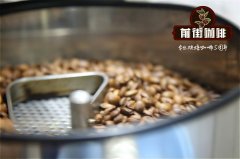
The Operation of the Standard Coffee Bean grading system for Coffee grading and the effect of grading on Price
What is coffee grading? Coffee grading is a basis for evaluating the quality of raw coffee beans before export. at present, there is no unified grading system in the world, but different grading systems according to different coffee producing countries. This means that coffee is graded according to different standards in different regions, and sometimes the same meaning is presented in different terms. The International Trade Center pointed out that coffee
Interpretation of coffee industry terms
About coffee beans: * Coffee cherry: the fruit of a coffee tree, named because its rind is bright red and its shape is very similar to cherries. * round beans: when the coffee fruit is growing, one of the two seeds develops very well, and the other seed is eaten so that the coffee bean that should be oval becomes round. * Elephant beans: bigger and tastier than ordinary coffee beans